What is the AI Transparency Act?
A plain-English guide to the EU rules that require businesses to be transparent about AI-generated content - and what they actually mean for your website.
There isn't a standalone law literally called the "AI Transparency Act." It's a useful shorthand for the transparency obligations in Article 50 of the EU AI Act - the rules that require people and businesses to be open about certain uses of AI, including AI-generated images, audio, video and some text.
The short version
If you use AI to create or substantially manipulate content that an ordinary person could mistake for real, you generally need to make it clear that it's AI. The aim isn't to ban AI content - it's to stop people being misled by it.
When does it apply?
The relevant transparency duties become enforceable on 2 August 2026. The separate, stricter rules for "high-risk" AI were pushed back to 2027/2028 by the Digital Omnibus - but the transparency deadline did not move.
Good news: grandfathering
Content you published before 2 August 2026 generally doesn't have to be re-labelled retroactively. The obligation bites going forward.
Who's in scope?
Scope follows where your customers are, not where you're based. A UK or US business with EU customers can be in scope, even after Brexit. Many sellers wrongly assume they're exempt - they often aren't.
What needs disclosure?
The law targets content that appreciably resembles something that could realistically exist and would falsely appear authentic to a viewer. A quick way to picture it:
 AIillustrative example
Likely needs disclosure
AI-generated and looks like a real photo - it could mislead a viewer into thinking it's authentic.
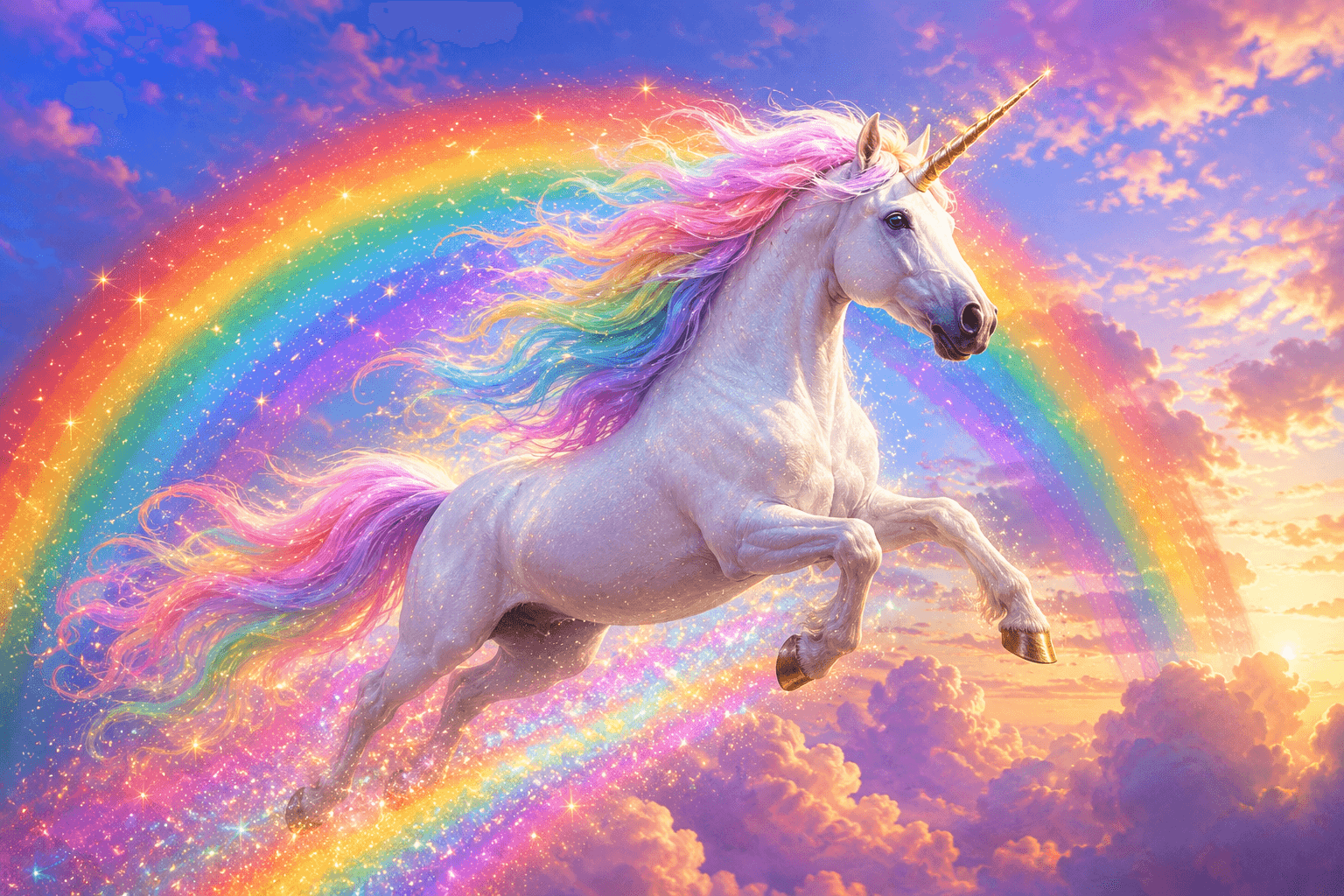 illustrative example
Likely fine
Clearly stylised or fantastical - no one would mistake it for real, so it fails the 'could it exist?' test.
Typically needs a label
- - Wholly AI-generated photos of people, products or places
- - Added or removed objects; swapped backgrounds
- - Composites and altered bodies
- - Realistic AI voice or video of a real person
Usually fine
- - Cropping, colour correction, light retouching
- - Dust-spot removal and minor clean-ups
- - Cartoons, illustrations, obviously impossible scenes
- - Content published before 2 Aug 2026
Two labels: AI Generated vs AI Modified
When a label is needed, there are two official versions - and which one applies depends on whether the content was made from scratch or altered from something real.
Wholly AI-created
Use when content is entirely synthetic, with no real starting input - for example, an AI-generated model or product photo created from a text prompt.
Real content, AI-altered
Use when something real has been substantially changed by AI - for example, a genuine product photo with an AI-added background or object that changes what it shows.
Customise the label style
These two labels are the best-practice approach recommended in the official guidance - but the exact look is at your discretion. TickAI picks the right label for each asset automatically based on your review, and lets you fully customise how the labels look to fit your brand - across your whole site or per image where you need to.
How it varies by content type
Photo & images
The most common case. Wholly AI-generated or heavily manipulated photos that look real need a small corner label (see the examples above). Minor edits - cropping, colour, light retouching - usually don't.
Video
Judged on the clip as a whole, using the same "could it exist?" test. The label should appear at the start and reappear through longer videos - a single flash at the end isn't enough.
Audio
AI voiceovers, cloned voices and AI-generated music need a short spoken disclaimer at the start (e.g. "This audio is AI-generated"), because there's no visual surface for an icon.
Text
Narrower scope: AI-written text generally only needs disclosure when it covers matters of public interest and isn't under genuine human editorial review. Ordinary product copy usually doesn't.
Common myth
The Act does not say every AI-generated image needs a label. Plenty of compliance marketing implies this - it's an overstatement. The real task is deciding which assets plausibly need disclosure, and keeping evidence of that judgment. That's exactly what TickAI is built to do.
One habit covers a lot
Article 50 isn't the only law in play - disclosure of AI use can also be relevant under the Unfair Commercial Practices Directive, the Consumer Rights Directive and the Digital Services Act. The good news is that the same simple habit covers all of them: know what AI content you have, decide what needs disclosing, and keep a record of how you handled it. Get that right and you're in a strong position whatever the rules ask - and it's exactly what TickAI is built to make easy.
See where you stand in two minutes
Scan your site free and see what may need disclosure - no signup required.
- Instant report
- No sign up required